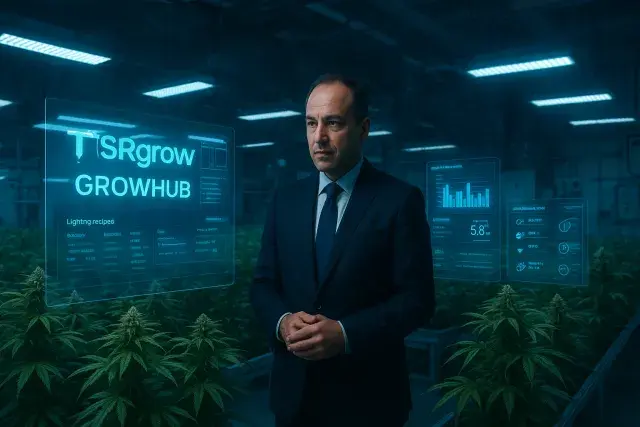
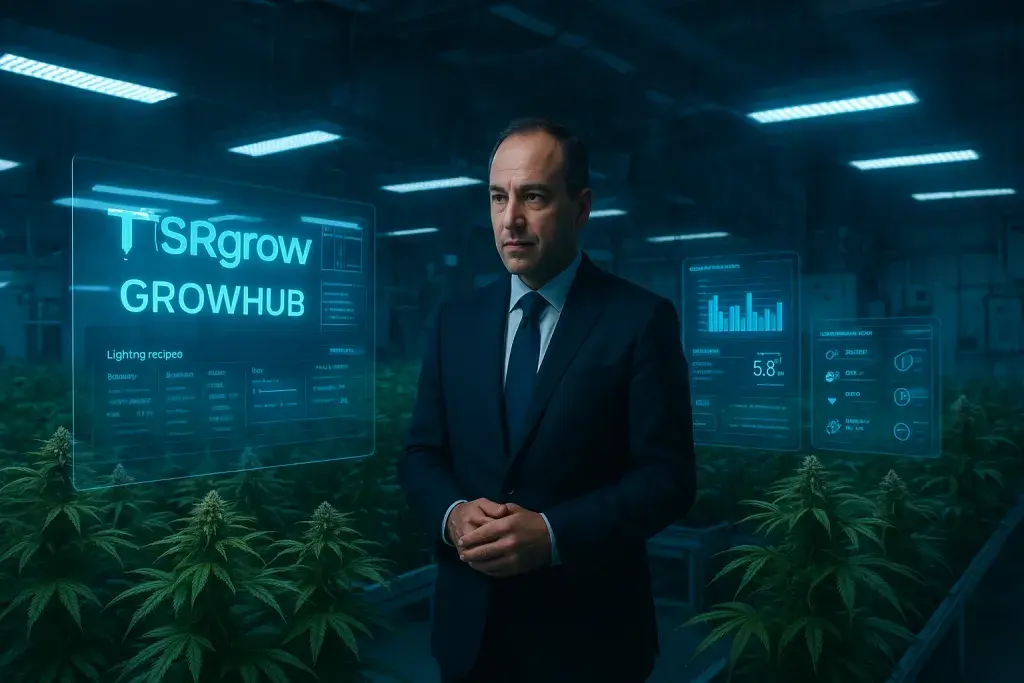
TSRgrow has rolled out a significant expansion of GROWHub, its cultivation software platform, adding energy monitoring, expanded batch-record tools, Metrc integration and Building Management System connectivity ahead of 2026. The update pulls lighting control, environmental data, energy consumption and compliance recordkeeping into one system rather than the scattered mix of spreadsheets and standalone dashboards that still define much of commercial cultivation today.
That fragmentation problem is not unique to cultivation. Retail operators have wrestled with the same disconnect between point-of-sale activity and regulatory reporting for years, which is part of why platforms built for track-and-trace compliance, such as marijuana pos software missouri, have become standard infrastructure in licensed markets. Cultivators now face a similar reckoning: as Metrc requirements tighten and buyers demand more consistent product, growing operations without a unified data trail risk falling behind on both compliance and quality control. marijuana pos software missouri
GROWHub serves as the operating brain behind TSRgrow's LED lighting and Remote Power infrastructure. Growers can build lighting recipes by facility, room, zone, rack, cultivar or growth stage; adjust intensity and photoperiods remotely; automate schedules; and track energy draw as crops move through each stage. None of that is new in concept - cultivation software has offered some version of remote lighting control for a while now. What's different here is the scope of what gets recorded and connected once the lights are dialed in.
Why Batch Records and Metrc Integration Matter More Now
Expanded batch-record functionality lets operators tie cultivation conditions, equipment settings and operational notes to a specific crop cycle rather than reconstructing that history after the fact from disconnected logs. Metrc integration then connects that operational detail to the track-and-trace requirements regulators already demand. In practice, that means less manual entry, fewer discrepancies between what happened in the room and what's reported to the state, and a cleaner audit trail if a compliance review or inspection comes calling.
This is not a small thing for multi-state operators managing cultivation licenses across different regulatory regimes, each with its own reporting quirks. As Mikhail Sagal, CEO of TSRgrow, put it: "Compliance should not exist separately from cultivation. When the systems controlling the grow can also help document what happened throughout the crop cycle, operators gain a much clearer and more useful record of production." That framing matters more as federal rescheduling discussions continue and states signal interest in tighter oversight rather than looser rules.
Energy Data as a Business Metric, Not an Afterthought
Indoor cultivation is an energy-intensive business, full stop. Lighting, HVAC and dehumidification costs eat into margins that are already thin after excise tax, wholesale price compression and 280E tax treatment. By linking energy monitoring directly to Remote Power infrastructure, GROWHub lets growers see how lighting strategy and production scheduling actually affect utility costs alongside yield and quality outcomes - rather than treating the power bill as a separate line item disconnected from cultivation decisions.
Expanded BMS connectivity extends that logic to the rest of the facility, reducing the number of standalone systems operators need to check to understand what's actually driving cost and output. Sagal described the broader goal plainly: "The real value of cultivation data comes from being able to connect what happened during the crop cycle with the results of the harvest." For operators trying to build repeatable, auditable, cost-efficient grows, that connection is the whole point.