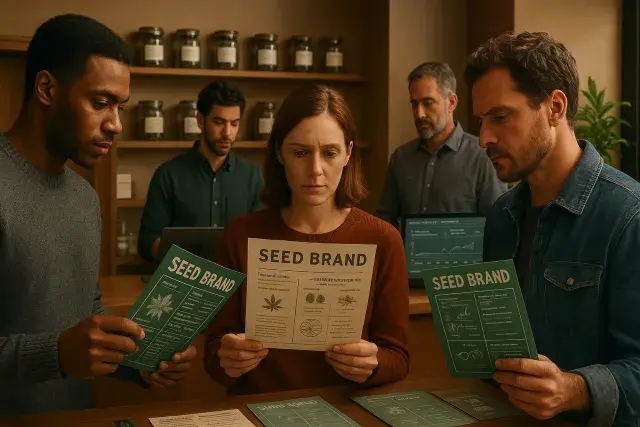
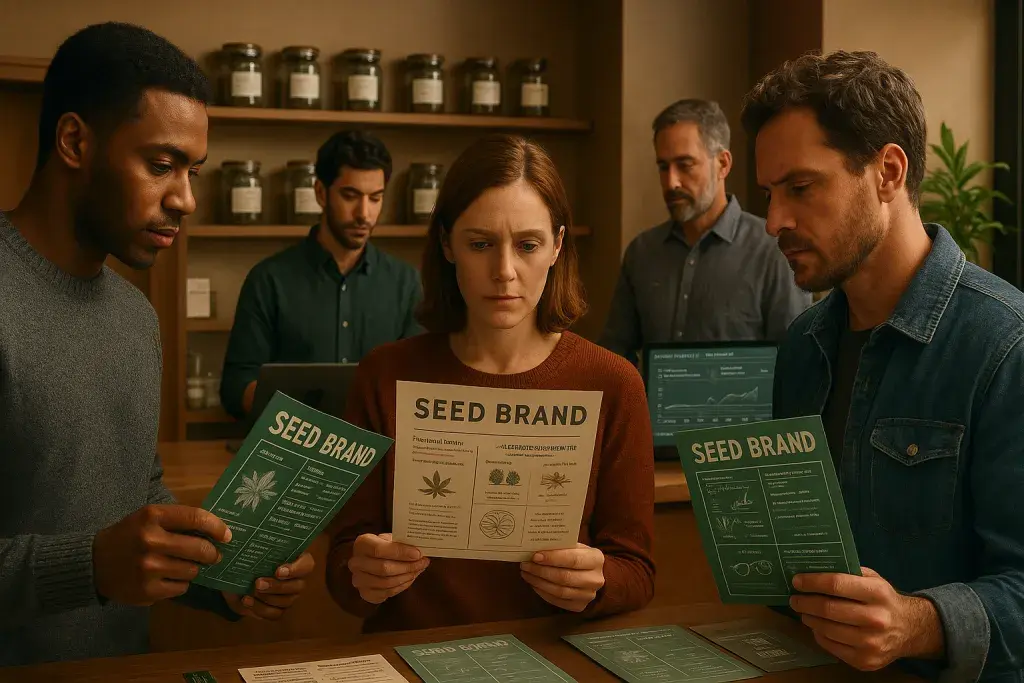
The transactional era of cannabis retail - where a high THC number and a recognizable strain name were enough to close a sale - is giving way to something more demanding. Consumers are arriving at dispensary counters with real questions: about lineage, terpene profiles, growth characteristics, and what distinguishes one brand's genetics from another's. For seed companies, that shift isn't just a marketing challenge. It's a structural change in how brand value gets built and sustained in a regulated market.
That change is playing out unevenly across state markets. In mature adult-use states where retail competition is intense and shelf space is contested, operators have already watched undifferentiated flower brands get squeezed by private-label products and aggressive wholesale pricing. The same pressure is migrating upstream to seed and genetics companies. Dispensary buyers, wholesale purchasers, and the licensed cultivators who supply them are all asking sharper questions about product provenance - a dynamic that operators using marijuana pos software oregon and similar state-specific retail tools are tracking closely through inventory data, strain-level sales performance, and customer purchase history. What moves units isn't always what builds a brand. Seed companies that understand that distinction early are better positioned to hold margin and reduce churn.
The mechanics here matter. A cannabis seed brand's product catalog is, in regulatory terms, an input - not a finished consumer product subject to excise tax, lab testing requirements, or compliant packaging mandates in the same way that adult-use flower or concentrates are. But the consumer relationship is increasingly downstream of that input. Buyers who cultivate at home or follow a specific breeder's work closely are influencing dispensary purchasing patterns, driving interest in particular phenotypes, and generating the kind of word-of-mouth that no promotional budget reliably replicates. Seed brands that treat their product pages as discovery tools - explaining terpene expression, growth structure, flowering time, and the lineage behind a given variety - are effectively doing brand-building work that compounds over time. That's not a soft marketing observation. It's a defensible competitive position in a market where price promotions are easy to copy and a coherent strain narrative is not.
Why Genetics Have Become a Differentiation Problem
For most of cannabis retail's early regulated history, SKU differentiation lived at the finished-product level - packaging design, potency claims, and strain names that borrowed credibility from legacy market reputation. That worked when most buyers were relatively new to the category. It works less well now. A growing segment of cannabis consumers can distinguish between feminized and autoflowering varieties, understand what indica-leaning versus sativa-leaning hybrids mean in terms of growth pattern and effect profile, and ask pointed questions about whether a listed strain name corresponds to a consistent, stable genetic line or simply a marketing label applied to whatever phenotype was available at harvest.
For seed brands, that consumer sophistication creates exposure for companies that have relied on brand names without backing them with transparent information. It creates opportunity for those willing to do the harder work of strain documentation - publishing clear lineage details, explaining what makes a high-THC variety perform differently at the cultivation level, and describing flavor and effect profiles with enough specificity to help a buyer make a genuine choice rather than a guess. The thing is, educated buyers don't necessarily spend more - but they do return more predictably, and they generate the kind of referral behavior that drives acquisition without paid promotion.
What Dispensary Operators and Cultivators Are Actually Watching
Licensed cultivators who supply dispensaries operate under significant production pressure: yield targets, flowering time, batch consistency, and the lab-testing requirements that govern what can legally move through a state's seed-to-sale tracking system. Genetics are not an aesthetic choice for these operators - they are a production variable with direct implications for compliance timelines and wholesale revenue. A seed brand that provides clear, accurate data on flowering time, expected yield range, and cannabinoid expression gives a cultivator better information for planning compliant harvests and managing inventory. That's practical value, not brand storytelling - and it's a reason a cultivator chooses one genetics supplier over another when prices are comparable.
At the dispensary level, the downstream effect shows up in how staff explain products to customers. Budtenders who can speak to a strain's lineage, its distinguishing terpene characteristics, and what kind of cultivation conditions produced it are better equipped to build customer confidence - and to move product with less reliance on discounting. The brands that invest in clear, accurate educational content about their genetics are effectively arming retail staff with something useful. That's a B2B value proposition, not just a consumer one.
The Long View: Trust as a Durable Asset in a Crowded Market
Cannabis brand equity is fragile in regulated markets. License status changes, wholesale relationships shift, and state-specific rules around advertising, packaging, and labeling constrain how brands can communicate with buyers. Against that backdrop, the seed companies that build genuine trust - through consistent genetics, transparent information, and a product lineup with a coherent identity - are developing something that regulatory headwinds can't easily strip away.
To put it plainly: in a market where price compression is real and shelf space is finite, differentiation at the genetics level is one of the few forms of brand value that can't be immediately undercut by a competitor with a lower cost structure. The brands that help customers understand why a strain's lineage matters - not just what it's named - are building the kind of loyalty that holds across market cycles. That's not a small thing in an industry still learning how durable brands actually get made.