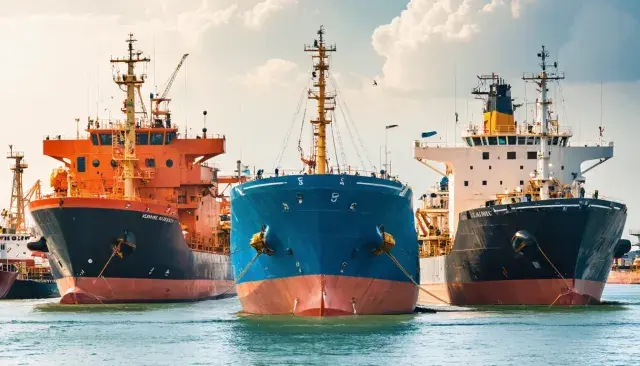
In the first half of 2025, tanker sale and purchase (S&P) activity has shown robust health, with Clarksons Research logging 409 tankers totaling 44.5 million dwt and $13.9 billion in value. This marks a 27% increase in deadweight tonnage over the 2024 run rate, though dollar volume rose only 3% amid declining secondhand prices. For shipowners and investors, this signals strong demand for tonnage even as values soften, pointing to a resilient market navigating geopolitical tensions and fleet renewal pressures.
Tanker Market Leads with Healthy Transaction Volumes
Clarksons’ data underscores a vibrant tanker S&P scene, where higher dwt sales reflect buyers snapping up larger vessels despite price dips. The firm’s five-year-old tanker secondhand price index averaged 10% lower in 2025 than 2024, yet ticked up 5% since September, hinting at stabilization. VesselsValue notes December stability across sectors, with VLCCs shining: 20-year-old 310,000 dwt units jumped 7.27% month-on-month to $43.21 million, driven by scarce compliant tonnage amid tightening environmental regulations.
- Key deals: NYK sold the 19-year-old Towada VLCC for $45.7 million.
- Cido Shipping offloaded 14-year-old Mermaid Hope and Mercury Hope VLCCs en bloc for $120 million.
Bulker and Container Segments Show Steady Demand
Bulker S&P lags slightly with just 14 deals in early December, despite firm freight and charter rates. Values hold steady, led by capesizes: 20-year-old 180,000 dwt ships rose 5.42% to $19.06 million. Opportunistic plays abound, like NGM Shipping flipping the 14-year-old Pacifist cape from $19 million to $32 million. NYK Bulkship’s $18.7 million sale of the 2012-built NBA Rembrandt to ArcelorMittal Shipping echoes sistership trends.
Containers mirror charter firmness—up 35% on 2024 averages per Alphaliner—despite 45% lower spot rates (Drewry). En bloc sales like Global Ship Lease’s $90 million acquisition of middle-aged 8,568 teu sisters (Cypress, Koi, Lotus A) with CMA CGM charters highlight sustained appetite for mid-sized assets.
Implications for Shipping's Future Outlook
This S&P uptick, especially in tankers, stems from fleet aging and demand for scrubber-fitted or eco-upgraded vessels amid IMO 2020 compliance and looming fuel shifts. Softer pricing tempers returns but boosts accessibility for new entrants, potentially accelerating consolidation. As freight solidifies, expect rising activity into 2026, with older tonnage premiums signaling supply constraints. For the industry, it’s a bullish cue: volume trumps value in a market prioritizing operational tonnage over peak pricing.