
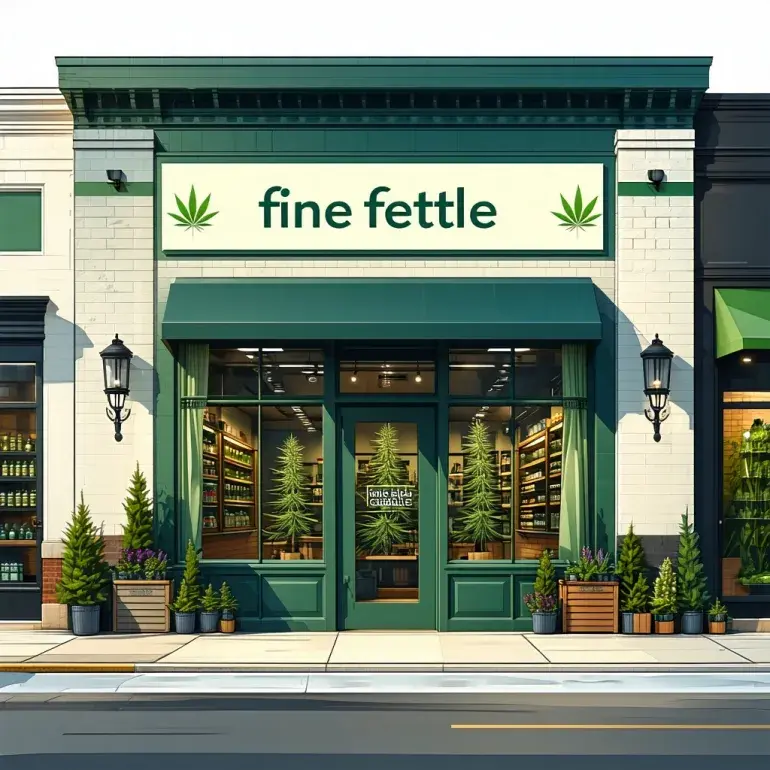
Connecticut cannabis operator Fine Fettle is transitioning its entire network of dispensaries to hybrid operations, allowing medical patients to access products at all nine locations starting this week. This move addresses the sharp decline in the state's medical cannabis program and aims to recapture patients amid growing competition from neighboring states.
Key Expansion Details
Fine Fettle's five recreational-only shops in Manchester, Norwalk, Old Saybrook, Waterbury, and West Hartford will now serve medical patients, joining the existing hybrid sites in Bristol, Newington, Stamford, and Willimantic. Chief Operating Officer Ben Zachs emphasized the importance of this shift, stating that the medical program has suffered in recent years and requires better access, tailored service, and patient-focused products.
- All nine stores now offer medical sales alongside recreational.
- Private consultation spaces added for patient privacy.
- Staff retrained, menus recreated, and remote verification systems built.
Declining Medical Cannabis Enrollment and Revenue
Since recreational sales launched in early 2023, Connecticut's registered medical patients have plummeted from nearly 49,000 to under 32,000. This exodus contributed to 2025 cannabis revenue dipping below 2024's $293 million total, despite recreational sales rising by $17.5 million. Medical sales, untaxed and lower-margin, fell by $21 million.
Experts note patients often let registrations lapse without switching to recreational markets locally. Instead, they seek higher-potency options in nearby states or unregulated sources like online vapes and hemp at gas stations. Connecticut Cannabis Ombudsman Erin Gorman Kirk highlighted interstate pressures and welcomed Fine Fettle's expansion to cut patient travel times.
Legislative Enablers and Operational Challenges
June 2025 legislation streamlined conversions by removing lottery requirements for hybrid licenses and easing pharmacist mandates—from constant on-site presence to one eight-hour shift weekly, supplemented by telehealth. Zachs credited these changes for enabling growth without cutting pharmacist jobs, instead expanding their impact.
Yet the process was resource-intensive: new inventory for medical needs, lower prices eroding margins, and rigorous inspections. Fine Fettle invested heavily but anticipates loyalty-driven growth as patients and recreational customers cross-promote.
Implications for Access and Market Health
This full hybrid pivot signals a maturing cannabis ecosystem in Connecticut, prioritizing patient retention amid public health concerns like product potency and quality control. Hybrid models enhance equity by blending medical expertise with recreational volume, potentially stabilizing revenues and reducing black-market reliance. As states compete, such adaptations underscore the need for policy agility to sustain medical programs' therapeutic role in chronic pain management, anxiety relief, and beyond—drawing patients back from risky alternatives.
This story draws on prior reporting by Staff Writer Jordan Nathaniel Fenster.