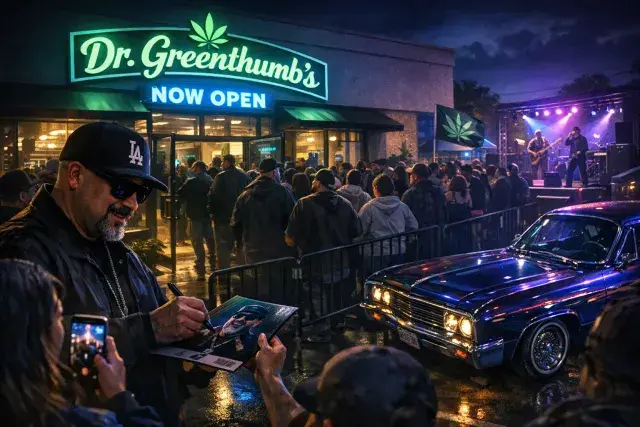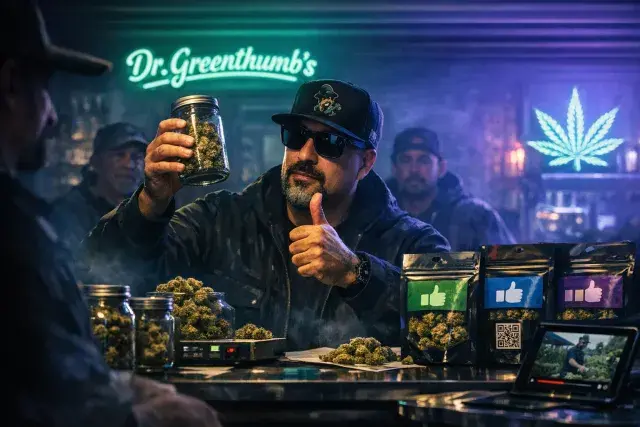
Cypress Hill's B-Real has taken his Dr. Greenthumb's cannabis brand into the Arizona market through an exclusive licensing and cultivation partnership with The Flower Shop, a vertically integrated operator with dispensaries in Phoenix, Ahwatukee, and Mesa. The arrangement is notable not only for its celebrity provenance but for the operational structure behind it - strain curation vetted by B-Real himself, grown at a dedicated 100,000-square-foot cultivation facility, with hands-on quality oversight from Dr. Greenthumb's own head of cultivation. That's a different model than most celebrity-branded cannabis products reaching shelf.
How the Partnership Is Structured - and Why the Mechanics Matter
Celebrity cannabis brands have a complicated track record in regulated markets. Many lean on name recognition to move units but lack the cultivation oversight and consistent batch-to-batch quality that dispensary buyers and compliance-conscious operators require. The thing is, in a state-licensed market like Arizona, the product has to meet regulatory testing thresholds regardless of who's on the packaging - and operators carrying third-party branded product carry reputational exposure if quality slips.
This arrangement sidesteps some of those risks by keeping production inside The Flower Shop's own facility, The Flower Mine, located in San Manuel. Because The Flower Shop controls the cultivation environment, it can maintain the consistency that retail buyers and floor staff depend on when making inventory commitments. Dr. Greenthumb's Head of Cultivation, Kenji Fujishima, has been on-site at The Flower Mine and will remain actively involved in production - a level of brand-side oversight that's unusual in wholesale licensing deals and signals a genuine quality-control mechanism rather than a label-only arrangement.
From a supply chain standpoint, the exclusive nature of the deal concentrates distribution at The Flower Shop's three current locations ahead of a broader statewide rollout. That sequencing is tactically sound: it allows the brand to build consumer familiarity, stress-test inventory throughput, and collect real-world sales data before SKU commitments expand across a wider wholesale network.
The Three-Tier Pricing Architecture and What It Signals to Operators
Dr. Greenthumb's Arizona line maintains the brand's established "three bags" structure - Loyalty, Legacy, and Unapologetic - each carrying a distinct price point within a $25 to $45 range for 3.54-gram units. That's a deliberate retail architecture, and operators should read it carefully.
Tiered flower pricing is a proven strategy in mature cannabis markets. It allows a single brand to occupy multiple shelf positions simultaneously, addressing value-oriented consumers, mid-range everyday buyers, and premium-focused shoppers without fragmenting into separate brand identities. For dispensary floor staff, it simplifies the conversation: the three bags carry different positioning rather than requiring budtenders to parse fine distinctions in cannabinoid content or terpene profiles on the fly.
- Loyalty - entry-accessible pricing; strains include Peanut, Apple Turnover, Lemon Royale, and Tahoe OG
- Legacy - mid-tier; Orange Monsoon, Jack Herer, and Donny Burger, positioned around strain heritage and long-standing consumer recognition
- Unapologetic - premium tier; Motor Breath, Gello, and Soap, targeting consumers unconstrained by price
From a wholesale margin perspective, a tiered structure also gives The Flower Shop flexibility in how it positions the brand against house flower and competing wholesale SKUs. The premium tier competes in the same shelf space as other high-cost flower - where margin per unit tends to be stronger - while the entry tier drives volume and basket frequency.
Arizona's Adult-Use Market and the Competitive Context
Arizona legalized adult-use cannabis through Proposition 207 in 2020, and the market has grown into one of the more competitive adult-use environments in the Southwest. That competitive pressure makes brand differentiation a genuine operational concern for dispensary operators, not a marketing abstraction. Operators managing budroom inventory across multiple locations are increasingly evaluating wholesale partners not just on price per pound but on whether a brand can drive consumer pull - walk-in traffic that asks for a specific product by name rather than browsing the display case cold.
Dr. Greenthumb's has an established California presence and the cultural brand equity that comes with B-Real's decades-long association with cannabis - long before adult-use markets existed anywhere. That recognition has real retail value in Arizona, particularly among consumers who track West Coast cultivar trends. Whether it translates to sustained velocity on the shelf, rather than a launch-week spike, is the question every wholesale buyer should be asking before committing floor space and POS real estate to any new brand.
What's striking here is the cultivation-side credibility attached to this particular deal. The Flower Mine's scale - 100,000 square feet - positions The Flower Shop to maintain consistent batch output without the supply interruptions that plague smaller grow operations trying to service wholesale commitments. For compliance purposes, every batch produced under the Dr. Greenthumb's label will still move through Arizona's seed-to-sale tracking requirements and lab testing protocols before reaching retail. The brand's California pedigree doesn't exempt a single gram from in-state COA requirements. Nor should it.
What Operators and Buyers Should Watch Going Forward
Additional strain drops and collaborations are scheduled for early 2024, with a broader statewide rollout planned beyond The Flower Shop's current three locations. For other Arizona dispensary operators, that timeline matters - it indicates the brand will eventually be available through a wider wholesale channel, which changes the competitive calculus for operators currently outside The Flower Shop's retail footprint.
For the industry more broadly, this partnership is worth watching as a model. A celebrity brand bringing its own cultivation head to the grow, insisting on strain curation sign-off, and structuring a tiered product line against established retail price points - that's a more operationally serious approach than the industry has often seen from licensed celebrity collaborations. Whether it holds at scale, across a statewide distribution network and under the ordinary pressures of regulated retail inventory management, is where the real story will be told.